&geometry(309x90) "VSOS")
Osteochondritis Dissecans (OCD): Repairing Joint Surface Defects
Osteochondritis Dissecans (OCD) is a developmental condition where a section of cartilage fails to attach correctly to the underlying bone. This creates a "pothole" or a loose flap on the joint surface, leading to inflammation, pain, and the rapid onset of osteoarthritis.
At VSOS, we treat OCD as a mechanical defect that requires precision engineering. By removing the painful flap and "resurfacing" the defect with advanced implants, we restore a smooth glide to the joint and return your pet to pain-free activity.
OCD by Joint: Where It Occurs
While OCD is a systemic developmental issue, it typically manifests in four primary joints. Each location requires a specialised surgical strategy.
The Shoulder (Most Common)
Shoulder OCD usually affects the back of the humerus (thigh bone). It is often the most rewarding joint to treat, as pets typically return to excellent function.
Symptoms: A "short-stride" lameness that worsens after exercise.
VSOS Treatment: Most cases are managed using Arthroscopy (Keyhole Surgery) to remove the flap and perform "microfracture" to encourage healing.
Advanced Access: In specific cases where the flap is particularly large or in a difficult-to-reach position, our specialists may utilise a Modified Cheli Open Approach. This technique provides superior exposure to the joint surface while minimising trauma to the surrounding muscles.
The Elbow
In the elbow, OCD often occurs on the medial humeral condyle. Because the elbow is a high-motion, high-load joint, simply removing the flap can often leave a painful defect that leads to rapid arthritis.
Symptoms: Head-bobbing lameness and a reluctance to fully extend the front leg.
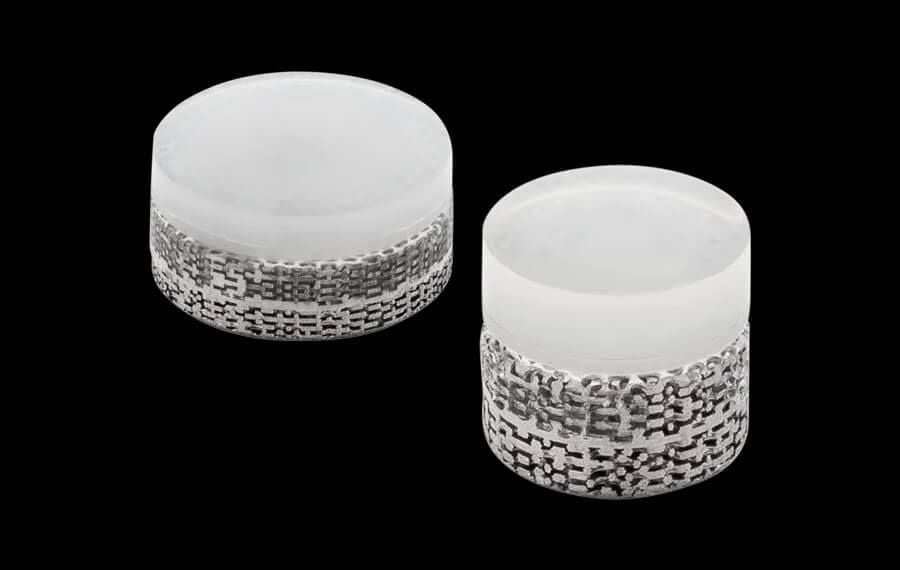
VSOS Treatment: We prioritise Synacart™ Partial Joint Resurfacing. By "plugging" the defect with a synthetic cartilage implant, we eliminate the bone-on-bone friction and restore a smooth surface for the joint to glide over.
The Knee (Stifle)
Usually found on the femoral condyle (the rounded end of the thigh bone), knee OCD is particularly painful due to the heavy weight-bearing forces in this joint.
Symptoms: Significant swelling within the knee joint and a stiff-legged gait.
VSOS Treatment: Similar to the elbow, we prioritise Synacart™ Partial Joint Resurfacing. This provides an immediate, hard-wearing synthetic surface that can withstand the significant forces of a dog running and jumping.
The Ankle (Tarsus)
This is the most challenging location for OCD. Because the ankle joint is so tight and the defects are often large, the joint surface is frequently too damaged for a simple repair.
Symptoms: A "straight" (hyperextended) ankle and a significant decrease in the pet's ability to flex the joint.
VSOS Treatment: While we may attempt fragment removal in mild cases, Joint Fusion (Arthrodesis) is the most common and successful outcome. By fusing the joint into a functional, fixed position, we eliminate the bone-on-bone pain entirely.
The VSOS Advantage: Synacart™ Resurfacing
At VSOS, we don't believe in just "cleaning out" a joint. In high-load areas like the elbow and knee, a hole left in the cartilage will eventually fill with fibrocartilage (scar tissue), which is not as strong or smooth as the original.
The Synacart™ system allows us to:
Restore Geometry: Fill the "pothole" exactly to the level of the surrounding healthy cartilage.
Reduce Pain: Prevent the "clunking" felt when the opposite bone surface drops into a defect.
Slow Arthritis: By restoring a smooth glide, we significantly reduce the inflammatory "grind" that destroys the joint over time.
Professional Rehabilitation & Pricing
Your surgery fee at VSOS includes your first rehabilitation session at our Miranda clinic. Our certified rehab team will use LASER Therapy and targeted strengthening to ensure your pet adapts perfectly to their resurfaced joint.
VSOS offers transparent, fixed-price fees for OCD procedures. Your package typically includes specialist consultation, CT-guided planning, advanced anaesthesia, the Synacart™ implants, and hospital care.
Is your young dog limping?
OCD is a disease of growth. Addressing these joint defects early with advanced resurfacing is the best way to ensure a lifetime of mobility.