&geometry(309x90) "VSOS")
Cranial Cruciate Ligament (CCL) Disease
As Sydney's trusted orthopaedic specialists for CCL surgery, Cranial Cruciate Ligament (CCL) disease can be the most common cause of hind-limb lameness in dogs and is frequently seen in cats as well. In humans, this is known as an ACL injury. However, while human ACLs usually tear due to sudden athletic trauma, the condition in dogs is typically a chronic degenerative disease where the ligament slowly frays and weakens over time.
At VSOS, our orthopaedic specialists are experts in diagnosing and treating all stages of cruciate disease. Our goal is to stabilise the knee, eliminate pain, and prevent the rapid progression of osteoarthritis.
What is CCL Disease?
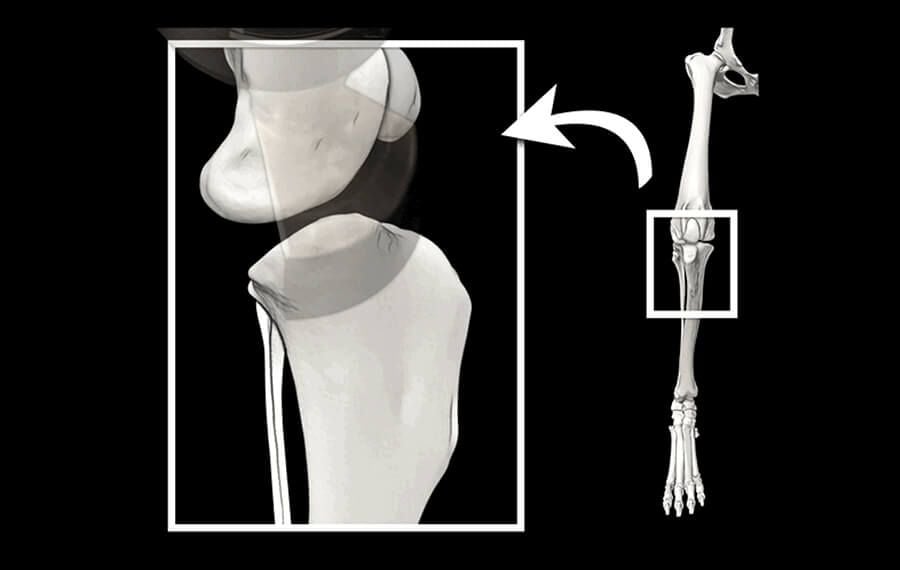
The Cranial Cruciate Ligament is a tough band of tissue that sits inside the knee joint. Its primary job is to prevent the tibia (shin bone) from sliding forward in relation to the femur (thigh bone) when the dog walks or runs.
Degeneration vs. Trauma
Unlike humans, who often "snap" their ligament during sports, most dogs suffer from Cruciate Disease. The ligament undergoes a slow internal breakdown. Eventually, even a minor movement, like chasing a ball or jumping off the sofa, causes the weakened ligament to tear completely.
The Meniscus: The Knee's Shock Absorber
In about 50% of cruciate tears, the meniscus (a C-shaped cartilage pad inside the knee) is also damaged. When the ligament fails, the knee becomes unstable, causing the femur to "pinch" the meniscus. This is extremely painful and often results in a characteristic "click" that can sometimes be heard when the dog walks.
Symptoms to Watch For
Sudden or Gradual Lameness: This can range from a subtle "off" step to holding the leg up entirely.
The "Sit Sign": When sitting, the dog sticks the affected leg out to the side rather than tucking it neatly under their body.
Stiffness: Particularly after resting or following heavy exercise.
Muscle Wasting: The thigh muscles on the injured leg may appear smaller than the healthy side.
Thickening of the Knee: A firm swelling on the inside of the knee (known as a "medial buttress").
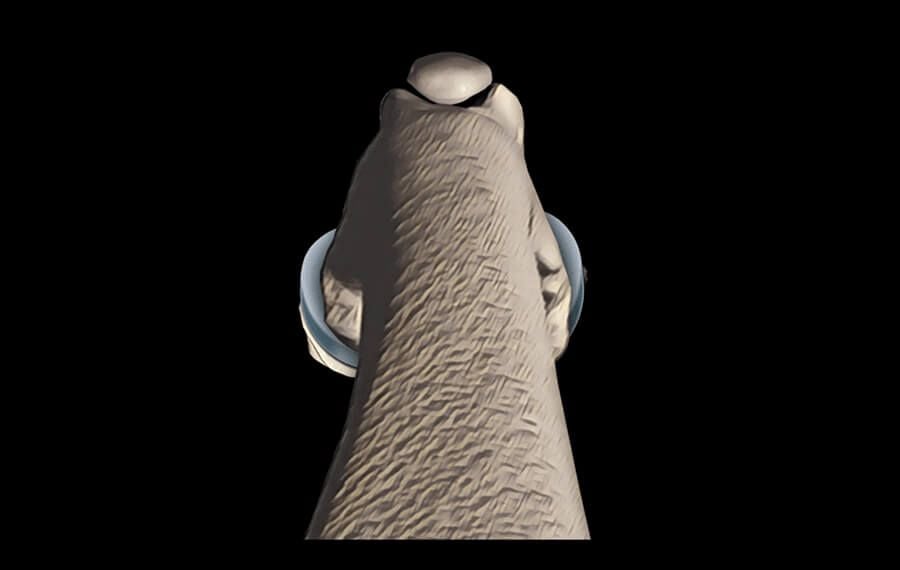
Diagnosis at VSOS
A definitive diagnosis is usually made through a specialist physical exam. Our surgeons look for "Cranial Drawer" or "Tibial Thrust", specific types of abnormal movement in the knee that only occur when the ligament is damaged.
To plan for surgery, we utilise high-quality digital X-rays in our Miranda Clinic to measure the "slope" of your dog's shin bone. In some complex cases, we may use CT imaging to look for concurrent issues like patellar luxation.
Surgical Excellence: The TPLO Gold Standard
At VSOS, the Tibial Plateau Levelling Osteotomy (TPLO) is our preferred surgical treatment for most dogs.
How TPLO Works
Rather than trying to replace the ligament (which often fails in dogs), TPLO changes the biomechanics of the knee. By making a precise curved cut in the tibia and rotating the "plateau" of the bone, we create a level surface. This eliminates the need for the cruciate ligament entirely; the knee becomes stable simply by the way the bones meet.
Why choose VSOS for TPLO:
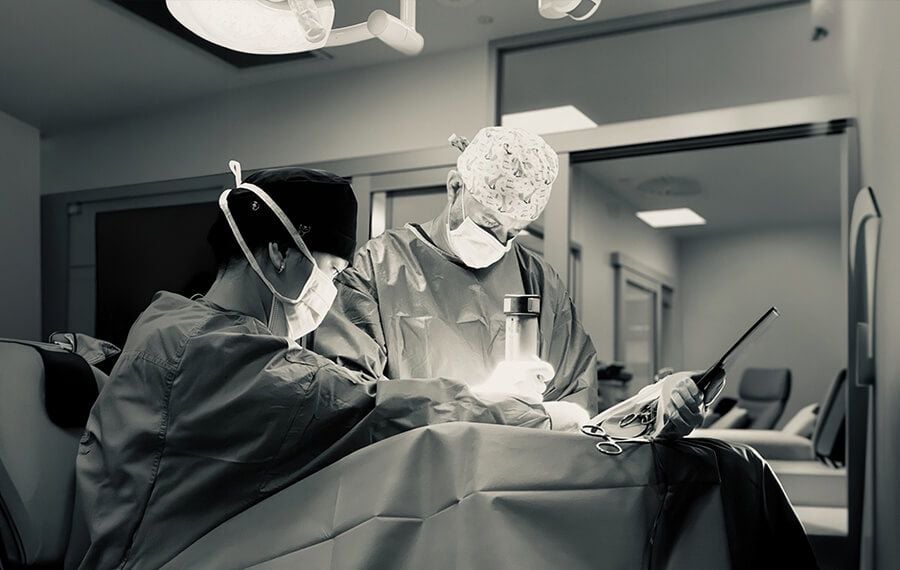
Specialist Precision: Our surgeons perform hundreds of these procedures annually using advanced locking plate technology at our Miranda Clinic.
Advanced Imaging: We use digital X-rays to plan every angle with sub-millimetre accuracy.
Rapid Recovery: Most dogs are weight-bearing within days of surgery.
Meniscal Inspection: We meticulously inspect the meniscus during every surgery to ensure any tears are addressed, preventing future pain.
The VSOS Surgical Guarantee & Transparent Pricing
We understand that specialist surgery is a significant emotional and financial commitment. At VSOS, we believe in total transparency, which is why we offer a fixed-price package for our TPLO procedures.
Fixed-Price TPLO: $6,500
This comprehensive fee ensures you have total clarity from day one, with no hidden costs. Your package includes:
Specialist Surgery: Performed by our highly experienced orthopaedic surgeons.
Advanced Anaesthesia: Tailored protocols and 24/7 monitoring by our dedicated nursing team.
Specialist Implants: High-strength locking plates and screws designed for rapid bone healing.
Hospital Care: All inpatient medications, nursing care, and overnight stays at our Miranda Clinic.
Your first Rehabilitation Session:Included 10-14 days post-op to ensure the best possible start to recovery.
Our Surgical Guarantee
We are so confident in our surgical success rates that we offer a Surgical Guarantee after TPLO surgery. In the unlikely event your dog suffers a complication after surgery, we will manage this free-of-charge (T&Cs apply).
The VSOS Difference: We do not know of any other specialist centre in the South East that can match us on price and offer such a guarantee.
Professional Rehabilitation (Included)
Surgery stabilises the bone, but rehabilitation rebuilds the dog. Your surgery fee at VSOS includes your first rehabilitation session at our Miranda clinic (272 President Avenue).
At 10 to 14 days after surgery, our certified rehab team (CCRP/CCRT/CCRA) will remove your pet's sutures and initiate a tailored recovery plan. This includes gait analysis, manual therapies, and a "fun" land-based exercise program designed to rebuild the thigh muscles and protect the joint as it heals.
Next Steps
Early intervention is key. Approximately 50% of dogs who tear one cruciate ligament will tear the other within 18 months. By stabilising the injured knee now, we help protect the "good" leg and prevent severe, life-long arthritis.
Why TPLO is the Gold Standard for Cruciate Repair
When a dog’s cruciate ligament tears, the knee becomes unstable. Every time the dog tries to bear weight, the tibia (shin bone) slides forward relative to the femur (thigh bone). Historically, surgeons tried to replace the ligament with "fishing line" or nylon (Extra-capsular repair). While this can work for very small, sedentary pets, the Tibial Plateau Levelling Osteotomy (TPLO) has emerged as the global gold standard for several key reasons:
Dynamic Stability
TPLO doesn't rely on a fragile artificial ligament that can stretch or snap. Instead, it changes the internal physics of the knee. By leveling the "slope" of the shin bone, the joint becomes naturally stable the moment the dog stands up.
Superior for Large and Active Dogs
For dogs over 15kg or those with high energy levels, traditional repairs have a much higher failure rate. TPLO is robust enough to handle the forces of a large dog running, jumping, and playing.
Faster Return to Function
Because the bone is secured with a high-strength specialist locking plate, most patients are comfortably walking on the leg within days of surgery, rather than weeks.
Minimising Osteoarthritis
While no surgery can completely stop arthritis, TPLO provides the most consistent joint stability available. This significantly slows the progression of joint disease compared to other surgical methods.
At VSOS, our TPLO procedures are refined by years of specialist experience, backed by our Surgical Guarantee and a fixed price of $6,500 that includes everything from the precision locking plates to your first rehab session.
Cranial Cruciate Ligament (CCL) Rupture in Cats
While cruciate tears are most famous in dogs, they are a significant cause of hind-limb lameness in cats. However, the "feline version" of this injury has its own unique characteristics that require a specialist's touch.
How it Happens: Trauma vs. Weight
Unlike the slow degeneration seen in dogs, cruciate ruptures in cats are often traumatic. They typically occur after a "bad landing" from a jump or a fall. That said, obesity is a major contributing factor in cats; extra weight puts constant strain on the ligament, making it far more likely to fail during normal activity.
Identifying the Signs in Cats
Cats are masters of disguise when it comes to pain. You might not see a dramatic limp. Instead, look for:
Reluctance to Jump: Your cat may stop jumping onto the kitchen counter or "double-clutch" before leaping onto the sofa.
The "Low-Slung" Walk: Walking with the hips lower to the ground.
Irritability: Hissing or growling when the lower back or hind legs are touched.
Hiding: A sudden change in social behaviour is often a sign of chronic joint pain.
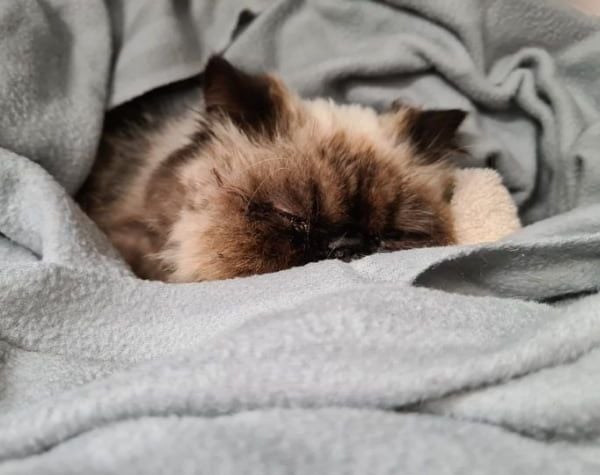
The Feline Difference:
In the past, the standard recommendation for a cruciate tear in a cat was often the same as in a dog: surgery. However, recent clinical research suggests that cats, due to their lightweight frames and unique biomechanics, are often excellent candidates for Conservative (Non-Surgical) Management.
Why Some Cats May Do Better Without Surgery?
Recent studies indicate that many cats can achieve an "acceptable to excellent" level of function through intensive medical management rather than surgical stabilisation. This is attributed to several factors:
Weight and Agility: Being lighter than most canine patients, cats place less sheer force on the unstable joint, allowing the body to stabilise the area through natural fibrous tissue (scarring) more effectively.
Research Insight: Comparative data suggest that cats managed with strict rest and weight control often reach functional recovery milestones without the potential risks associated with anaesthesia or implants, particularly in older or more sedentary cats.
Low Meniscal Injury Rates: Cats appear to have a lower incidence of painful meniscal tears compared to dogs, which often makes conservative management a viable first-line option.
When Is Surgery Still Necessary?
While many cats thrive without stabilisation, VSOS specialists may still recommend surgery in specific scenarios:
Persistent Pain: If the cat remains lame or painful after 6-8 weeks of medical management.
Large or Highly Active Cats: Maine Coons or young, athletic cats may require the mechanical stability of surgery to return to high-level jumping and climbing.
Concurrent Injuries: If the cruciate tear is accompanied by patellar luxation or a confirmed meniscal tear.
Conservative Management: The VSOS "Medical" Rehab Plan
At VSOS, choosing a non-surgical path doesn't mean "doing nothing." To ensure the best outcome for cats managed conservatively, we provide a structured medical plan focusing on:
Strict Activity Restriction: A 6-to-8-week period of "cage or tent rest" to allow the joint to stabilise.
Weight Optimisation: Since obesity is a primary driver of feline CCL disease, we discuss a strict metabolic plan to reduce joint stress.
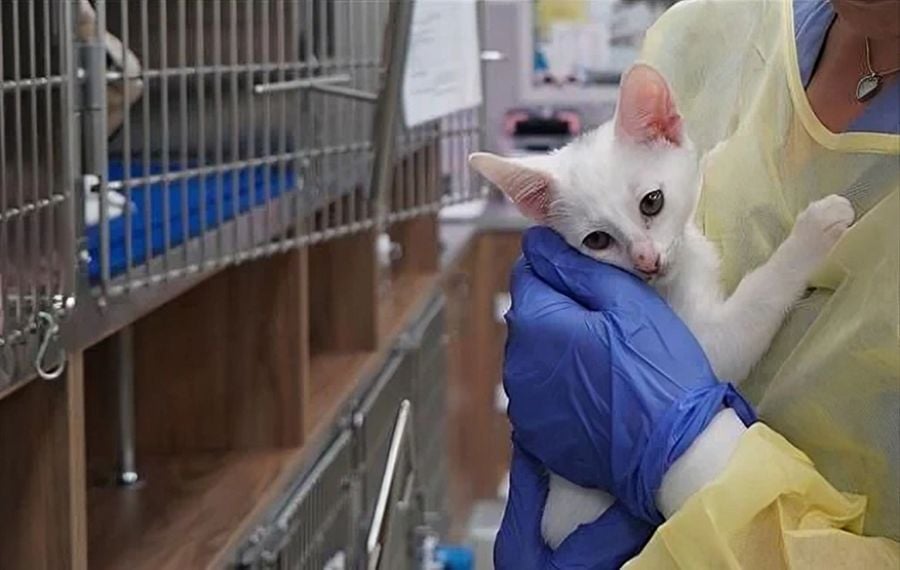
Expert Guidance
During your specialist consultation, we will review the latest research with you to determine if your cat is a candidate for medical management or if surgery offers a more predictable path to recovery.
Client Stories
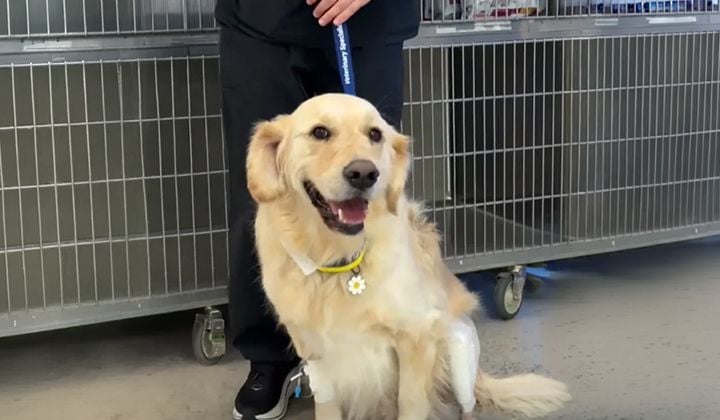 "The Future of TPLO Recovery: How the FAWKES Nerve Block Gets Dogs Like Ralph Walking Comfortably Just Hours After Knee Surgery")
1 July 2026
If you watch this video of Ralph, a happy, alert dog, up and walking comfortably, and then we told you he had major orthopaedic surgery just a few hours prior, would you believe us?For many pet owners, the thought of their dog undergoing a Tibial Plateau Leveling Osteotomy (TPLO) to treat cranial cruciate ligament disease is daunting. The p...